Credit to The Cove Discovery Project

Welcome to the Torbay Seaside Code, where we can all embrace the beauty of our stunning coves and beaches while caring for our precious habitats and diverse wildlife. Here's how we can enjoy these wonders together:
…and finally, enjoy, be happy and share your experiences with others to encourage responsible and positive experiences for all.
When we follow these simple guidelines, we can fully appreciate the abundant beauty that awaits us. Remember, we are all part of this incredible ecosystem, sharing it with a multitude of species. Let's embrace the opportunity to enjoy and protect this area for generations to come.
Together, we can make a positive difference.
Out and about…
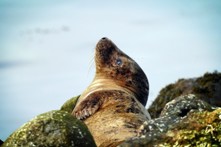
Grey Seals
Seals can cover many hundreds of miles but you will find them here all year. Be careful and keep your distance, they may look adorable but they are wild animals and can give a nasty bite if provoked
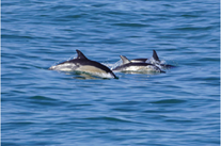
Common Dolphins
The cetacean family includes whales, dolphins and porpoises, all of which you get here in our waters. The common dolphins tend to pass through whilst feeding.
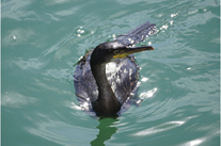
Cormorants
Cormorants are diving birds who eat fish. They are a fascinating bird to watch as they hunt and dive in the shallows around the coast.
In the rockpools…
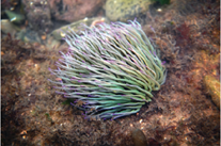
Snakelocks Anemones
Sea anemones are a group of predatory marine invertebrates (no backbone) found in the shallows and in rockpools.
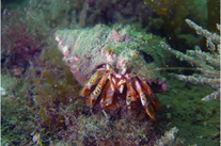
Hermit crabs
Hermit crabs have adapted to occupy empty scavenged mollusc shells to protect their fragile exoskeletons. They vary in size from very small to around 4cm.
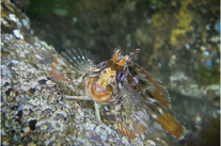
Tompot Blenny
The Tompot Blenny has distinctive frilly tentacles on the top of its head - for which it has been given the nickname “the fish with antlers”!
Snorkling…
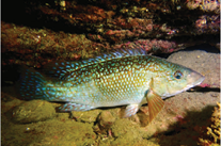
Ballan Wrasse
Four common species of wrasse are found here but the Ballen wrasse is the largest and can grow to 51cm. Some have brightly coloured patterns on their fins and body.
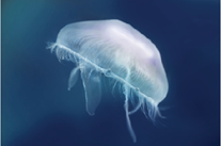
Moon Jellyfish
Only six main species of jellyfish are found in UK waters. They are fascinating to watch but keep your distance as some have stinging tentacles which are hard to see.
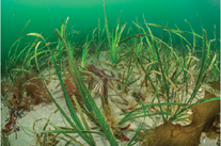
Seagrass
The only flowering plant to grow in marine environments, seagrass is an incredible ally in the fight against climate change. Globally, it captures carbon up to 35 times faster than tropical rainforests!
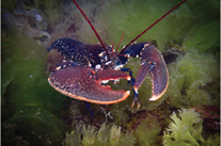
Common Lobster
Bottom-dwelling lobsters scavenge for dead animals but also eat live fish, small mollusks (snails), invertebrates, and seaweed. The blue lobster is very rare but can be found here.
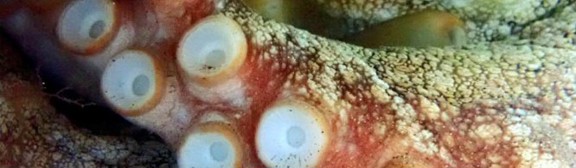
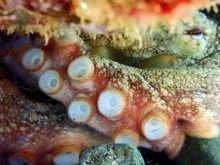
Common Octopus
Common octopus are intelligent and generally live in rockier areas and in shallow water.The colour of the common octopus changes to adapt to its surroundings and its mood!
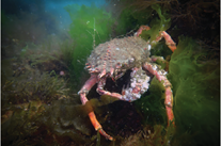
Spiny Spider Crab
With long spindly legs and spiny shells, European spider crabs are often covered in algae, giving them a green hairy look! They feed on seaweed, mussels, starfish and anything else they can get their claws on!
Rare – Show stoppers!...
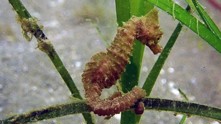
Spiny Seahorse
Both the Short Snouted and the Spiny Seahorse are found here. During the warmer months of the year, they live in shallow, inshore waters, amongst seaweeds and seagrass.
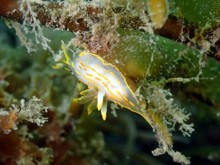
Nudibranch
Nudibranchs, also known as sea slugs, are soft-bodied marine molluscs that lack external shells. There are more than 100 species in UK seas, where they feed on seaweeds, sea mats, sponges, anemones and other nudibranchs. They are often brightly coloured – with some resembling a fireworks display!

Delivering Harbour, Beach and Marine Services for Torbay Council.
